
Trust is the foundation of every high-performing team.
Without it, collaboration falters, communication breaks down, and productivity suffers. But when trust thrives, teams excel—delivering results, solving problems, and fostering an environment where everyone can grow.
Especially with new technologies and AI, TRUST will be the determiner of quality client relationships and team productivity.
Both in today’s workplace, and in the future – whether remote or in-person – trust isn’t just a nice-to-have; it’s essential. Teams rely on trust to navigate challenges, adapt to change, and achieve shared goals.
Building and sustaining trust requires more than good intentions—it demands deliberate actions and consistent behavior. There are three key behaviors that leaders and team members can practice to cultivate trust and unleash their team’s full potential.
The “3 Legs of Trust” framework includes the three areas that your team can focus on to strengthen trust – Competence in role, Concern for Others, and Kept Commitments.
Each behavior is supported with research data supporting the impact of each trait… and there are specific actions that team members can take to strengthen trust in each area, whether in a remote, hybrid, or in-person workplace.

1 – COMPETENCE IN ROLE
Competence is essential for trust because people need to believe that you have the skills and knowledge to perform your role effectively.
When team members demonstrate expertise and consistently deliver high-quality work, they instill confidence in their abilities, creating a sense of reliability and respect among colleagues. A workplace culture built on competence fosters productivity, minimizes errors, and encourages mutual reliance, enabling teams to tackle challenges with assurance and efficiency.
Competence creates trust because it shows you are dependable. It sends a clear message: “You can count on me.”
Research data:
A Harvard Business Review study found that employees who trust their leaders’ expertise are 24% more likely to go above and beyond their responsibilities
The Edelman Trust Barometer (2023) reports that 59% of people trust someone more when they perceive them to be knowledgeable and skilled
Four actions to improve competence:
1 Commit to continuous learning by participating in relevant training, certifications, or webinars.
2 Regularly seek feedback from colleagues and managers to identify areas for improvement.
3 Document and share successes during team meetings to demonstrate your value and capabilities.
4 Offer to mentor or assist colleagues in areas where you excel, showcasing your expertise.
2 – CONCERN FOR OTHERS
Showing genuine concern for others is a cornerstone of trust because it conveys empathy, care, and a commitment to shared success.
When team members feel valued and understood, they are more likely to reciprocate trust and engage positively with their peers. This behavior not only strengthens interpersonal bonds but also creates a workplace culture where collaboration, inclusivity, and emotional safety thrive, enhancing both morale and overall team performance.
Concern for others builds trust by showing that you value people beyond their output. It tells your teammates: “You matter to me.”
Research data:
A Gallup report states that teams led by managers who show genuine concern for their employees experience 23% higher employee engagement
A study in the Journal of Business Ethics found that perceived empathy improves trust levels by as much as 40%, even in high-stress scenarios
Four actions to demonstrate concern:
1 Practice active listening by using paraphrasing and reflective questions during conversations.
2 Proactively check in with team members, offering support and addressing challenges together.
3 Recognize and celebrate both individual and team achievements, fostering a culture of appreciation.
4 Show genuine interest in colleagues’ personal and professional lives, remembering important details.

3 – KEPT COMMITMENTS
Keeping commitments is critical to trust because it demonstrates reliability, accountability, and integrity.
When individuals consistently follow through on their promises, they build a reputation for dependability that strengthens relationships and minimizes misunderstandings. In a workplace culture, honoring commitments fosters a sense of stability and mutual respect, laying the groundwork for effective teamwork and long-term success.
Kept commitments build trust by reinforcing your reliability. They prove that you respect your teammates and the work you do together.
Research data:
Research from PwC shows that 71% of employees consider reliability and follow-through as the most critical aspects of trustworthiness
A Stanford University study revealed that consistent follow-through on promises improves team cohesion by 27%, particularly in remote or hybrid settings
Four actions to strengthen kept commitments:
1 Utilize task-tracking systems like Asana or Trello to organize responsibilities and meet deadlines.
2 Communicate updates promptly if delays occur, proposing alternative timelines to maintain transparency.
3 Strive to deliver work early when possible, exceeding expectations and demonstrating reliability.
4 Be realistic about deadlines and commitments, avoiding over-promising and under-delivering.
STREGTHEN THE LEGS OF TRUST ON YOUR TEAM
By implementing these actions, individuals can significantly enhance trust within their teams, fostering an environment where competence, empathy, and reliability are not just expected but visibly practiced.
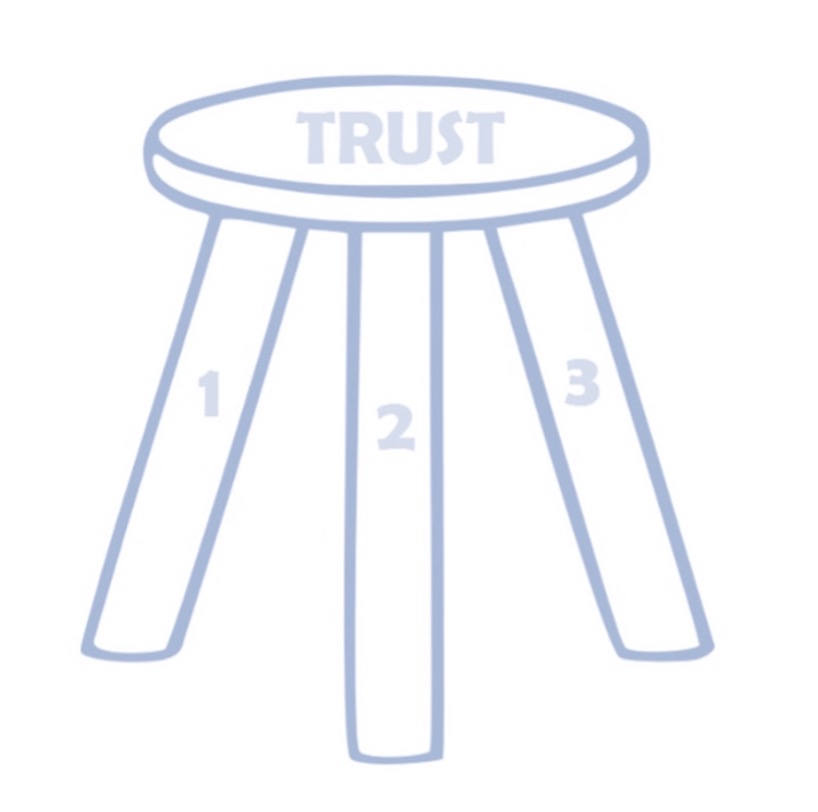
This framework supports both remote and in-person interactions, ensuring robust team dynamics and successful collaborative outcomes. Remember that trust is a valuable asset that requires continuous effort to maintain and strengthen.
Investing in trust pays dividends for your team and organization. Trust accelerates collaboration, boosts morale, and fosters a culture of accountability. Teams with high trust levels communicate more openly, share ideas without fear, and tackle challenges with confidence.
Moreover, trust reduces friction. Instead of wasting energy questioning motives or double-checking work, teams can focus on innovation and execution. In remote and hybrid settings, where miscommunication and isolation are common, trust acts as the glue that keeps teams connected and effective.
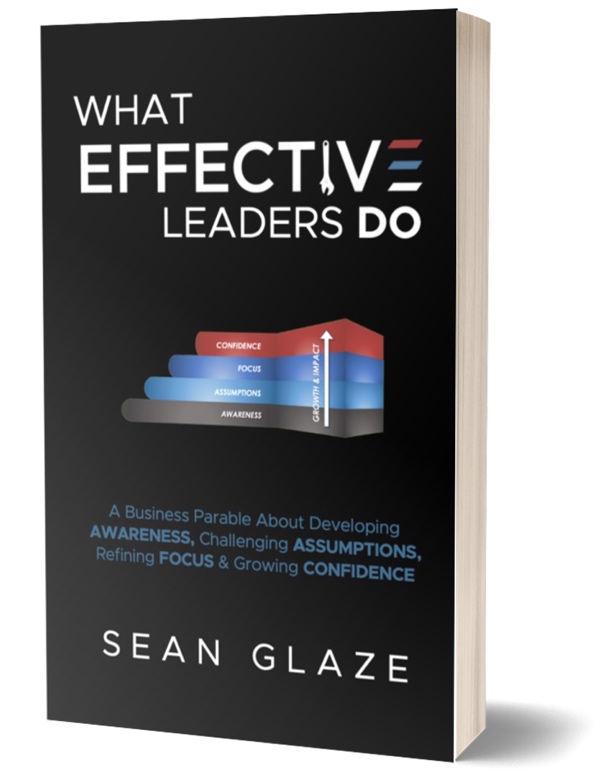
If this message resonates with you, you’ll love the deeper journey in What Effective Leaders DO.
This insightful parable follows Jenn’s real-world challenges as she steps into a new leadership role and quickly realizes that technical skill is no match for cultural complexity. Through powerful conversations with a mentor named Tony, she begins to evolve—not just what she does, but how she thinks.
In the process, she discovers:
- What effective leaders focus on at each stage of growth
- How to navigate difficult conversations with clarity and confidence
- What it takes to build trust, ownership, and momentum across a team
One of the most effective ways to build trust is through intentional team-building events and experiences. These activities provide opportunities for people to connect on a deeper level, gain insights into each other’s strengths, and practice the behaviors that sustain trust. Facilitated events can uncover blind spots, strengthen bonds, and create lasting trust that translates into workplace success.
Want to learn how to transform YOUR organization’s culture and enjoy more trust, engagement, and accountability? Consider the impact of a team culture VIP Day with Sean!
– – – – –

Sean Glaze is a sought-after leadership and workplace culture speaker, who gained valuable insights on turning talent into teamwork as a successful basketball coach – and now he travels around the country to share those actionable lessons.
Sean’s engaging conference leadership keynotes and custom team building programs have helped clients like Cisco, John Deere, the CDC, and Emory University to increase collaboration, boost productivity, and build Sticky Cultures that inspire more profitable teamwork.
Sean’s books, Rapid Teamwork, What Effective Leaders DO, The 10 Commandments of Winning Teammates, and Staying Coachable are entertaining parables that accelerate the growth of leaders and teams!

How Effective Leaders Create a Culture Where People Feel Like They Matter

From Skeptic to Strategist How to Stop Wasting Time on AI and Start Using It to Grow Your Business

The 4 AI Usage Levels of Business Owners – From Chats to Digital Workforce

How Smart Leaders Reclaim 10 Hours a Week with an AI System BOOST
Books and Resources for Leaders


Check other blog
How Effective Leaders Create a Culture Where People Feel Like They Matter

From Skeptic to Strategist How to Stop Wasting Time on AI and Start Using It to Grow Your Business
The 4 AI Usage Levels of Business Owners – From Chats to Digital Workforce
Contact Sean

Connect with Sean
Tell Sean About
Your Event


Tell Sean About
Your Event
"*" indicates required fields